
Since its debut in the early 1990s, Power Rangers has become one of the most recognizable franchises in global pop culture. What began as a colorful, lighthearted action series for children gradually evolved into a more complex and emotionally driven universe. One of the most fascinating aspects of this evolution is how the color tones and thematic focus of Power Rangers have changed over time, reflecting shifts in audience expectations, storytelling trends, and cultural influences.
The Bright and Playful Era: Mighty Morphin Power Rangers

The original Mighty Morphin Power Rangers set the foundation for the franchise’s iconic visual identity. Bright primary colors dominated the screen—red, blue, yellow, pink, and black—creating an instantly appealing look for young viewers. The tone was optimistic, simple, and clearly defined: good versus evil.
Themes during this era focused on teamwork, friendship, responsibility, and moral clarity. Each episode reinforced the idea that unity and trust could overcome any obstacle. The vivid color palette matched the upbeat storytelling, making Power Rangers feel approachable and energetic.
Transitioning Into Darker Shades: Zeo and Turbo

As the franchise continued with Power Rangers Zeo and Turbo, subtle shifts began to emerge. While the color schemes remained vibrant, metallic tones and sleeker designs started to appear. These changes symbolized growth—both for the characters and the audience, many of whom were aging alongside the series.
Thematically, Power Rangers began exploring change, adaptation, and leadership, acknowledging that growth often comes with challenges. The visuals became slightly more refined, signaling that the franchise was ready to mature without abandoning its roots.
A Bold Shift: Power Rangers In Space and Lost Galaxy

Power Rangers In Space marked a major turning point. The color palette grew deeper, incorporating darker blues, blacks, and cosmic tones. The setting expanded beyond Earth, and the storytelling became more serialized and emotionally driven.
Themes such as sacrifice, destiny, loss, and redemption took center stage. Lost Galaxy continued this trend, using space and alien worlds to explore isolation, bravery, and survival. These seasons proved that Power Rangers could handle heavier subject matter while still maintaining its core identity.
Nature, Technology, and Balance: The Mid-2000s Era
Series like Lightspeed Rescue, Time Force, Wild Force, and Ninja Storm showcased a wider range of visual styles and thematic experimentation. Color tones varied based on setting—urban, futuristic, or nature-focused—allowing each season to feel distinct.
Time Force, in particular, leaned into darker, cooler tones and complex moral questions involving fate and justice. Meanwhile, Wild Force embraced earthy greens and browns, reinforcing themes of environmental balance and harmony with nature.
Emotional Depth and Legacy: RPM and Beyond
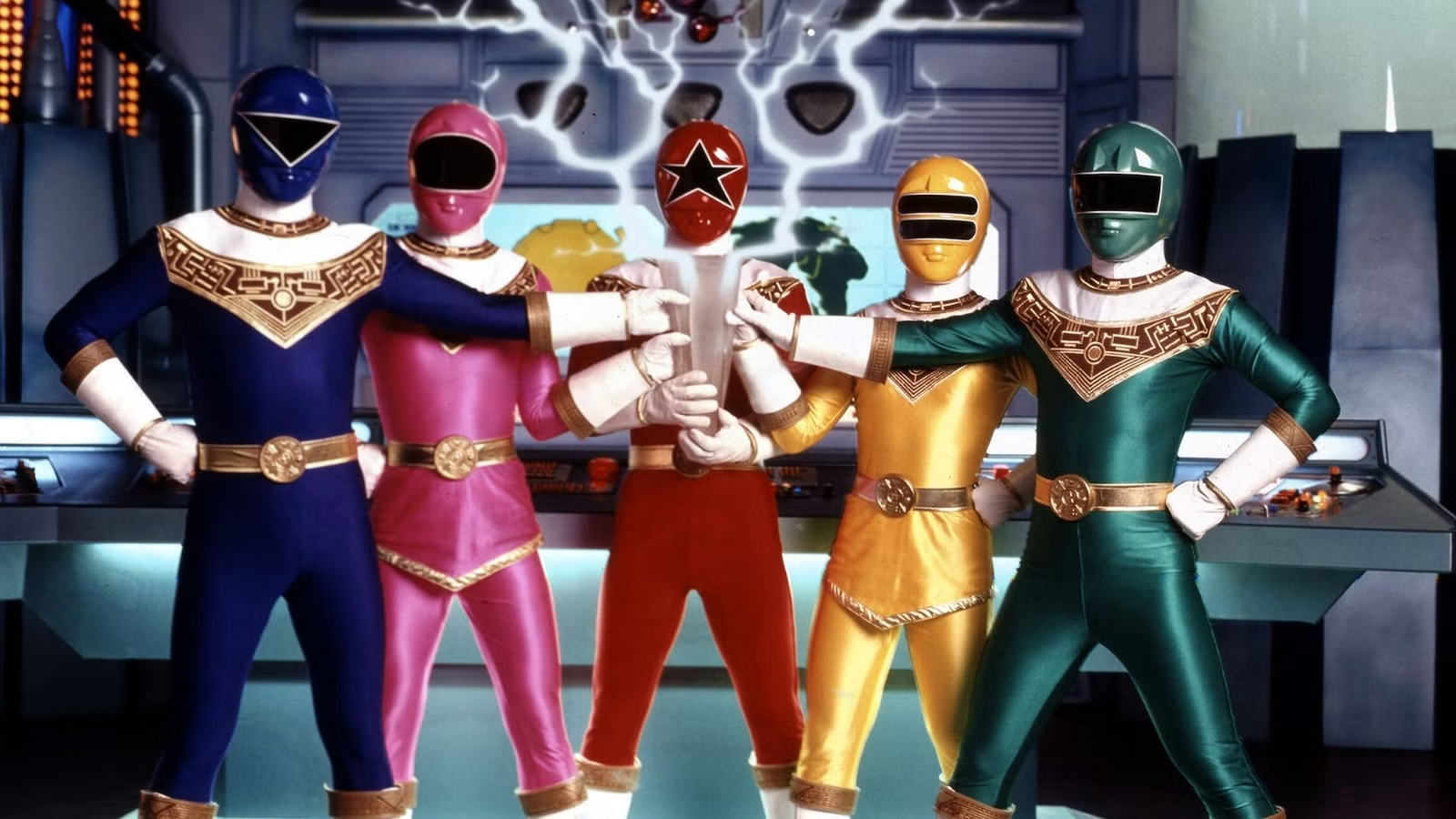
One of the darkest tonal shifts occurred in Power Rangers RPM. The color grading was muted, with post-apocalyptic visuals and a serious narrative tone. Themes of survival, trauma, hope, and rebuilding dominated the season, proving how far the franchise had evolved from its cheerful beginnings.
Later seasons like Dino Charge, Beast Morphers, and Cosmic Fury balanced nostalgia with modern storytelling. Bright colors returned, but with polished designs and deeper emotional arcs. The franchise learned how to blend fun visuals with meaningful themes, appealing to both new fans and longtime followers.
Why These Changes Matter
The evolution of color tones and themes in Power Rangers reflects its ability to grow with its audience. Brighter colors and simple themes attracted younger viewers, while darker tones and mature storytelling retained older fans. This adaptability is a major reason why Power Rangers remains relevant decades later.
By adjusting its visual language and narrative depth, Power Rangers has transformed from a children’s show into a multi-generational phenomenon, capable of telling stories about identity, courage, and resilience.
Final Thoughts
Power Rangers’ journey through changing color palettes and evolving themes is a testament to the franchise’s creativity and longevity. Whether bold and playful or dark and reflective, each era brings something unique that keeps fans connected to the world of morphing heroes.
👉 If Power Rangers has been part of your childhood—or still inspires you today—explore Power Rangers–inspired merchandise, collectibles, and apparel at: powerrangersmall.com and bring the spirit, colors, and legacy of the Rangers into your everyday life.
